Vivaldi antennas
Ultra-wideband tapered-slot antennas: printed, all-metal and horn-loaded
Overview
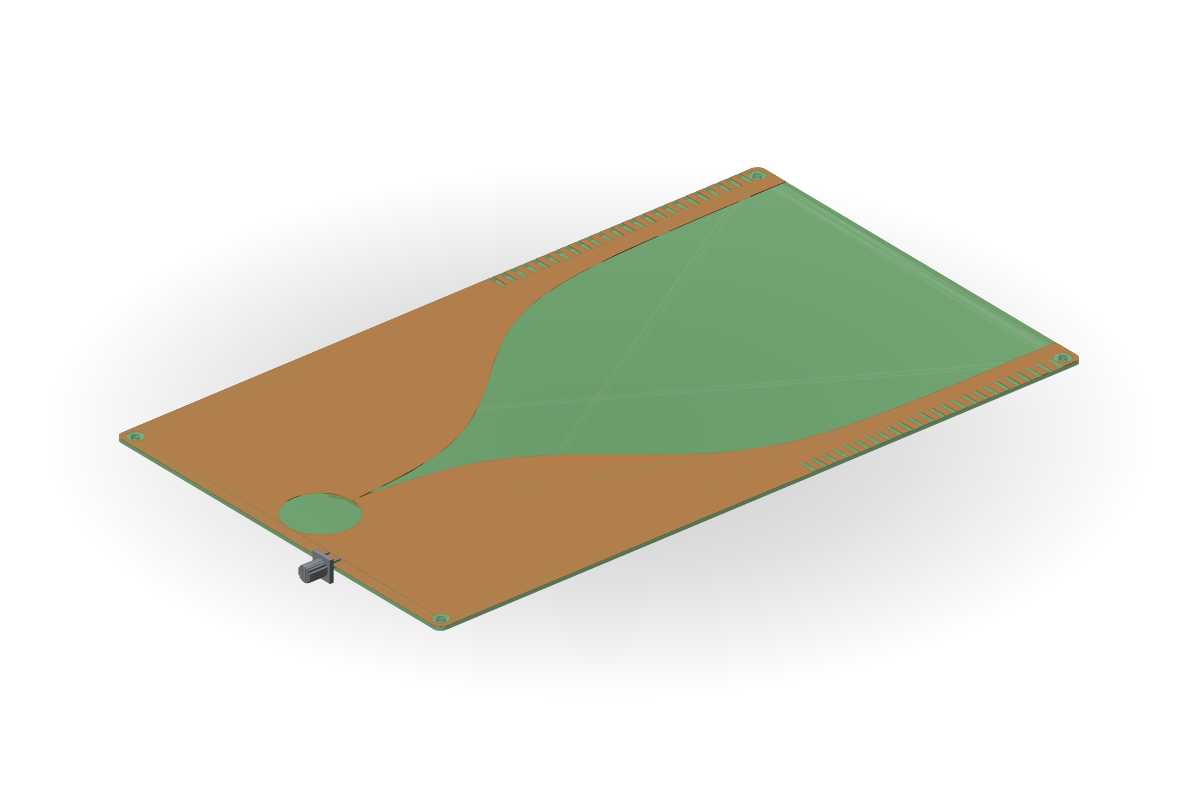
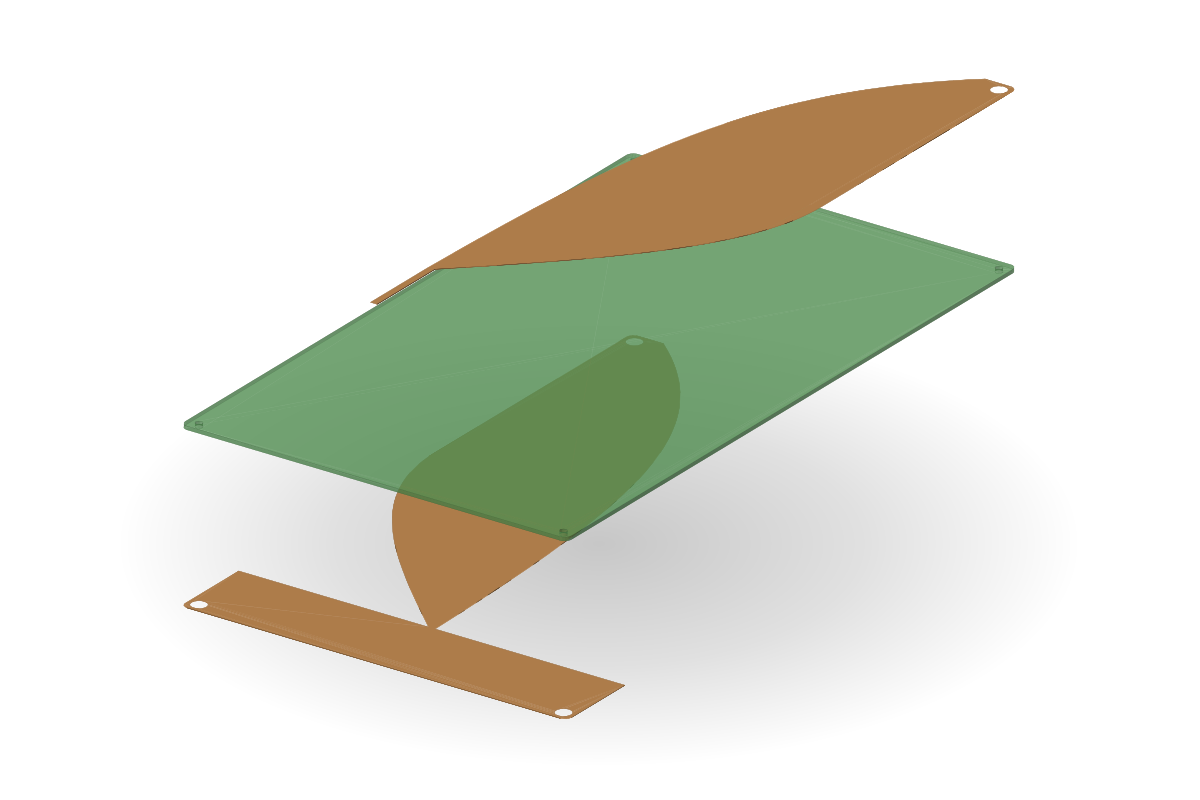
Ultra-wideband tapered-slot antennas, from a microstrip-fed design on one FR-4 board to a balanced antipodal design on 3 copper layers, the all-metal V29 class and a plate in a horn with coax through the wall.
Typical performance
- Printed: VSWR < 2 over 1–6 GHz; mouth ≈ λ/2 at the lowest frequencytypical
- FR-4, high-gain variant: VSWR ≤ 2 over 1–3 GHz, 7.1 dBi at 1 GHzcomputed
- All-metal V29 class: VSWR < 2 over 1–7 GHz, gain ≈ 5–11 dBi over the bandtypical
- Horn-loaded: band up to 10 : 1, gain ≈ 8–15 dBi, 3–6 dB above the bare platetypical
- Horn-loaded: beamwidth ≈ 25–60°, narrower at the upper frequenciestypical
- Linear polarisation; the dual-polarised pair: two orthogonaltypical
Typical values describe the antenna class, not a guarantee for a unit; “computed” marks our own simulated example.
Printed builds
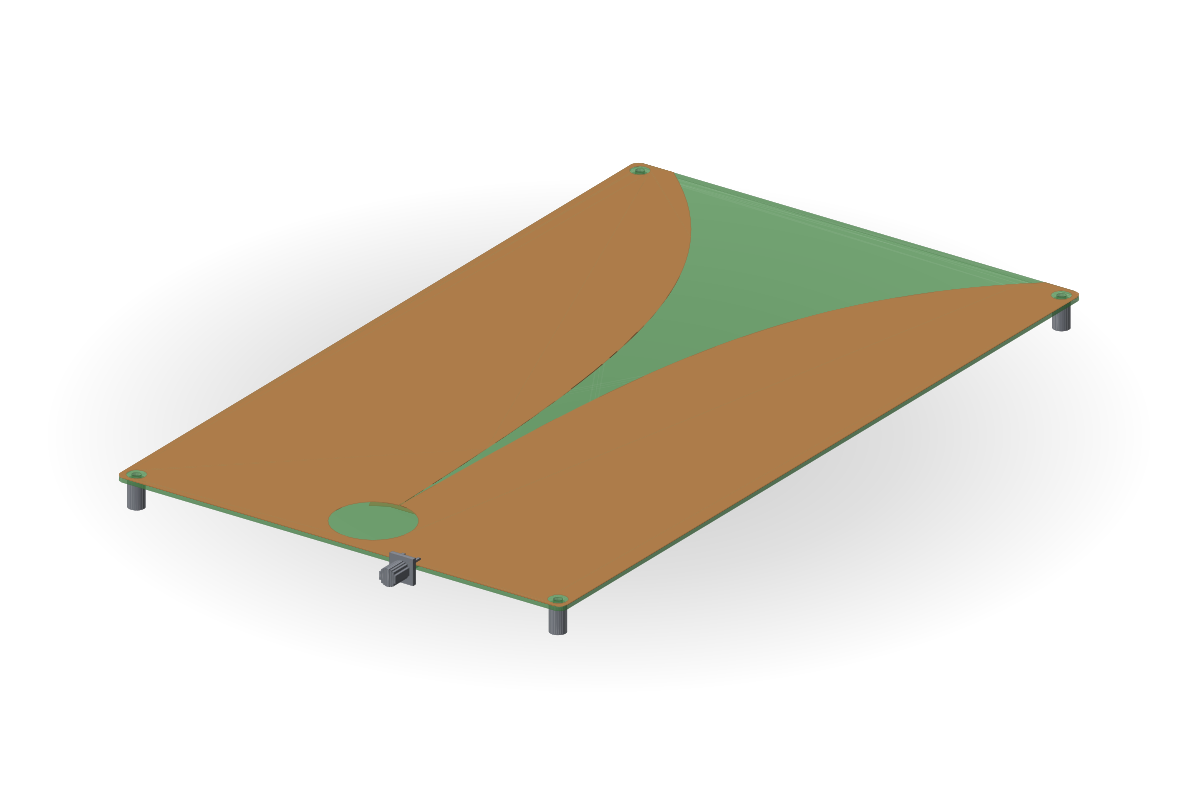
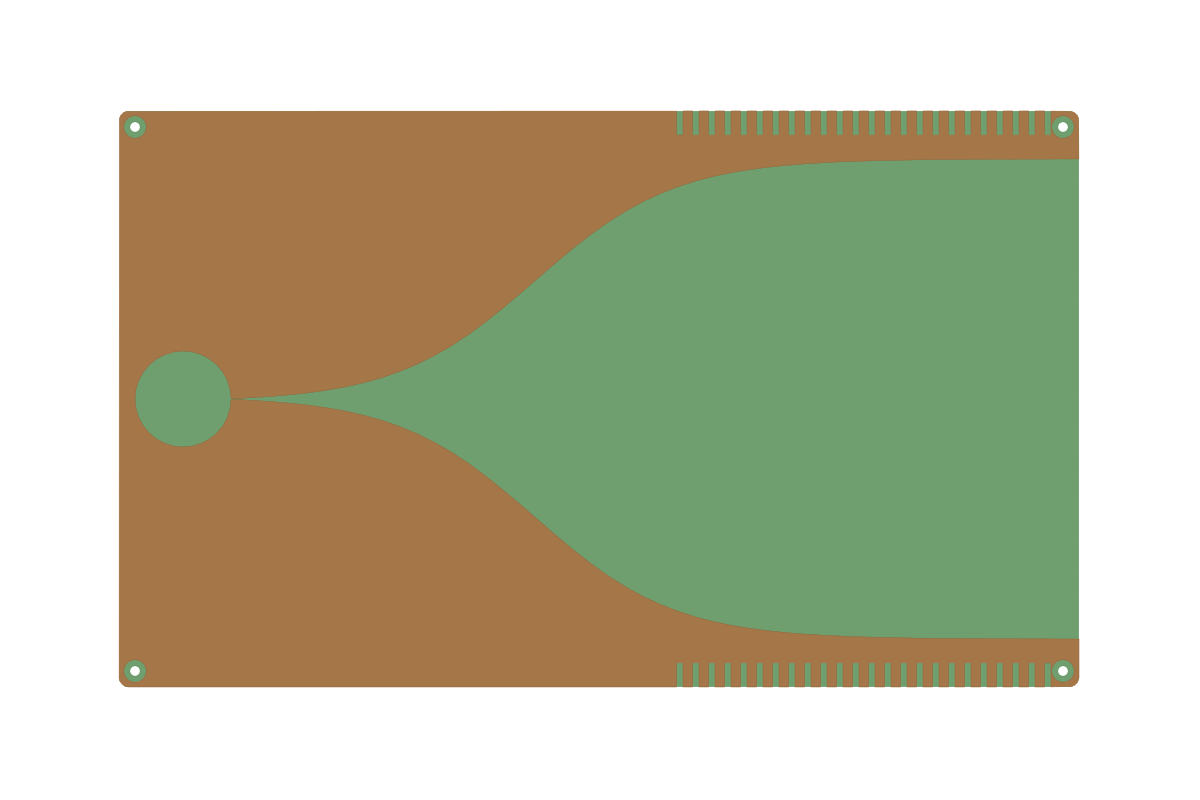
Ultra-wideband tapered-slot antennas for R&D, UWB links, ground-penetrating radar and SDR. Also stripline-fed and a dual-polarised pair. Taper profiles: linear, constant-width slot, palm-tree antipodal; also exponential, Fermi-Dirac, elliptical, corrugated, resistive and Bezier curve.




All-metal
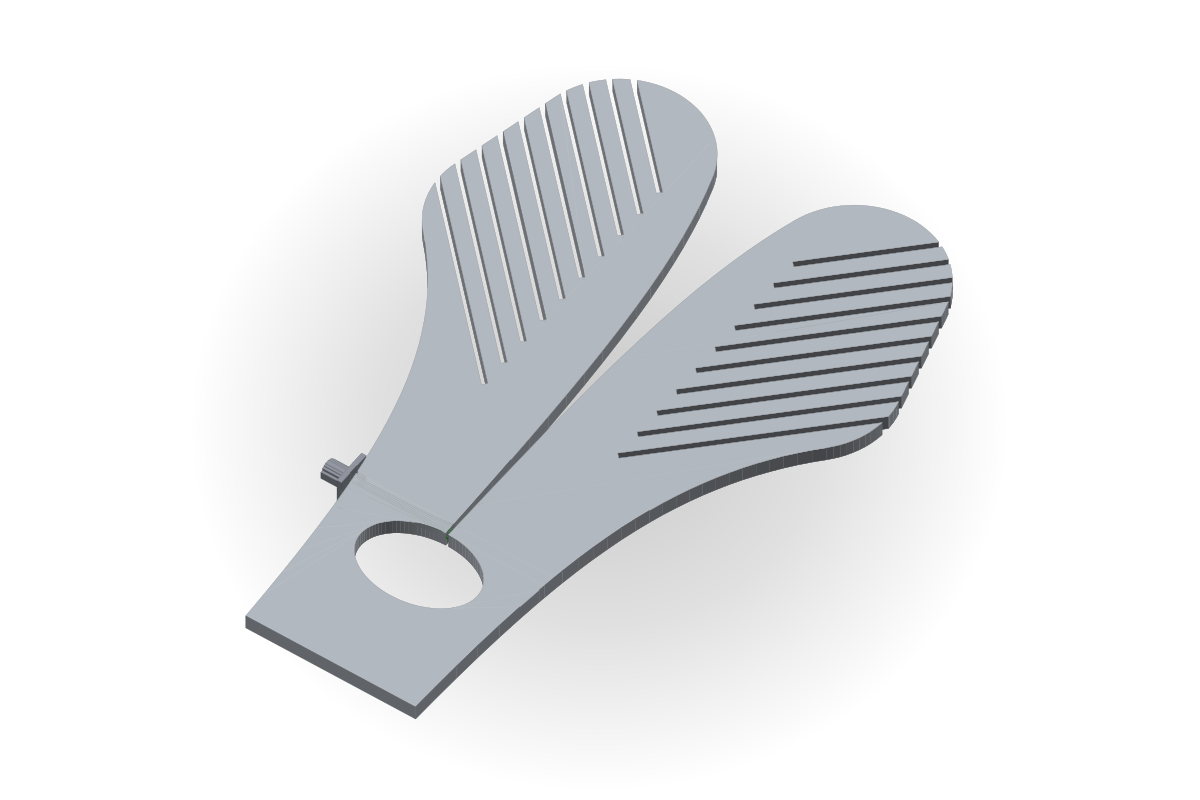
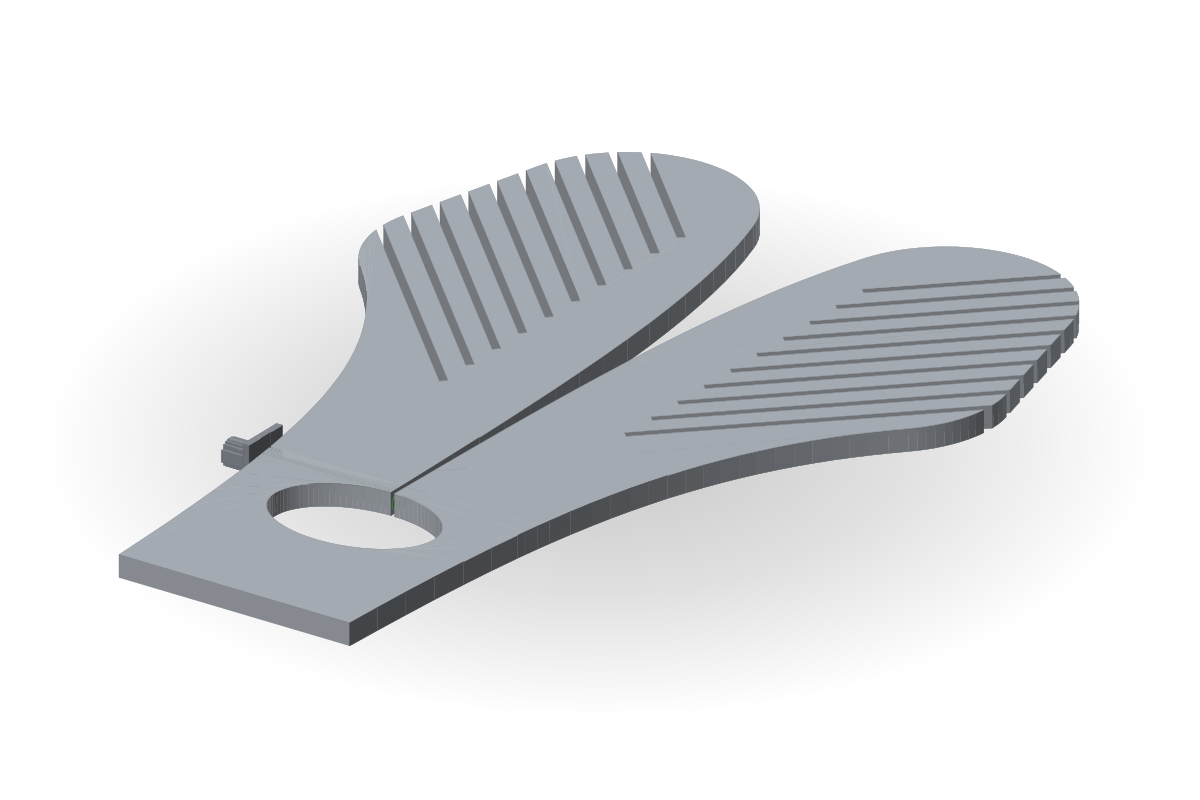
All-metal Vivaldi for higher power and stable performance. On request: with a dielectric lens or rod, or as a dual-polarised pair.
Horn-loaded
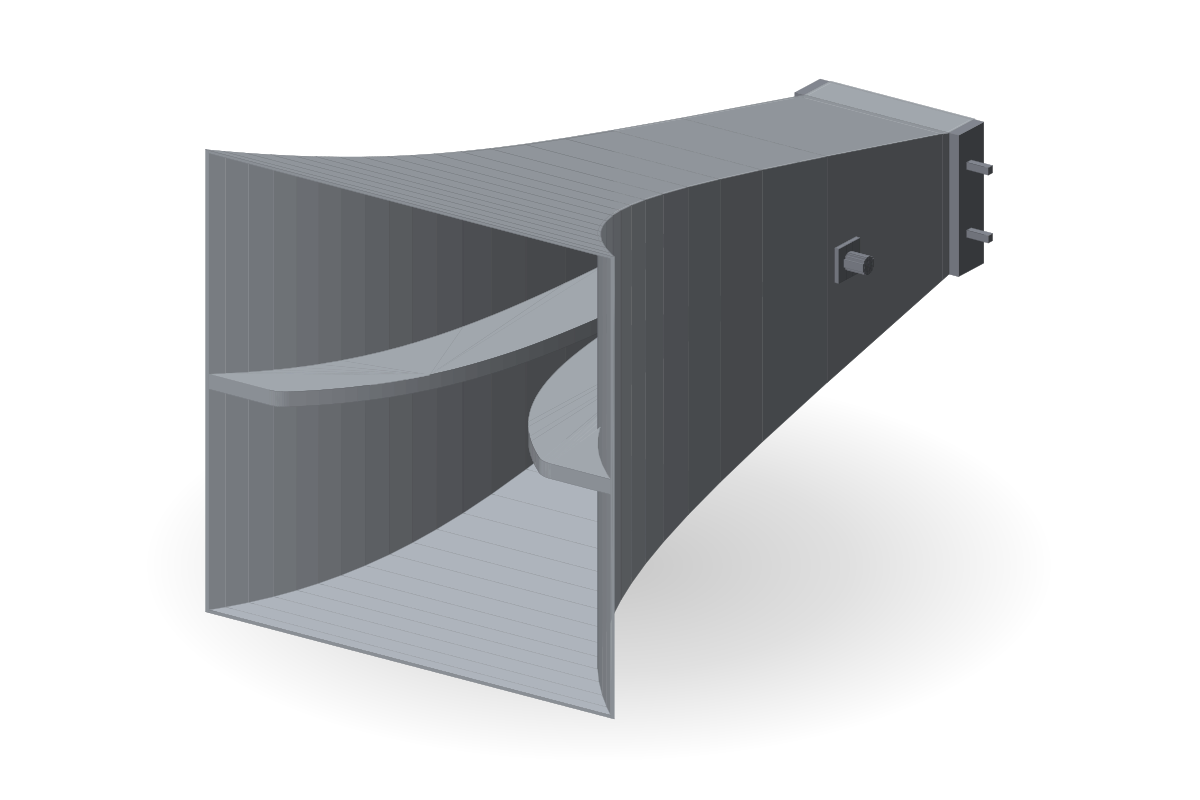
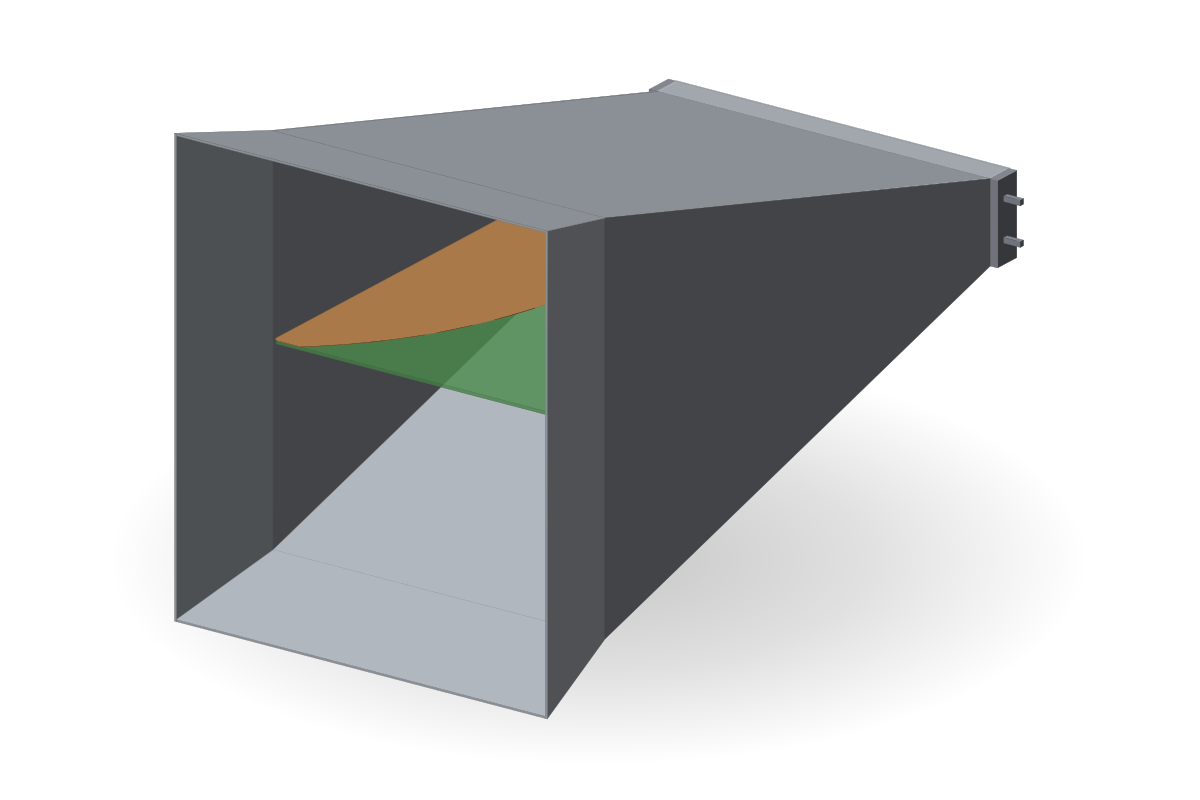
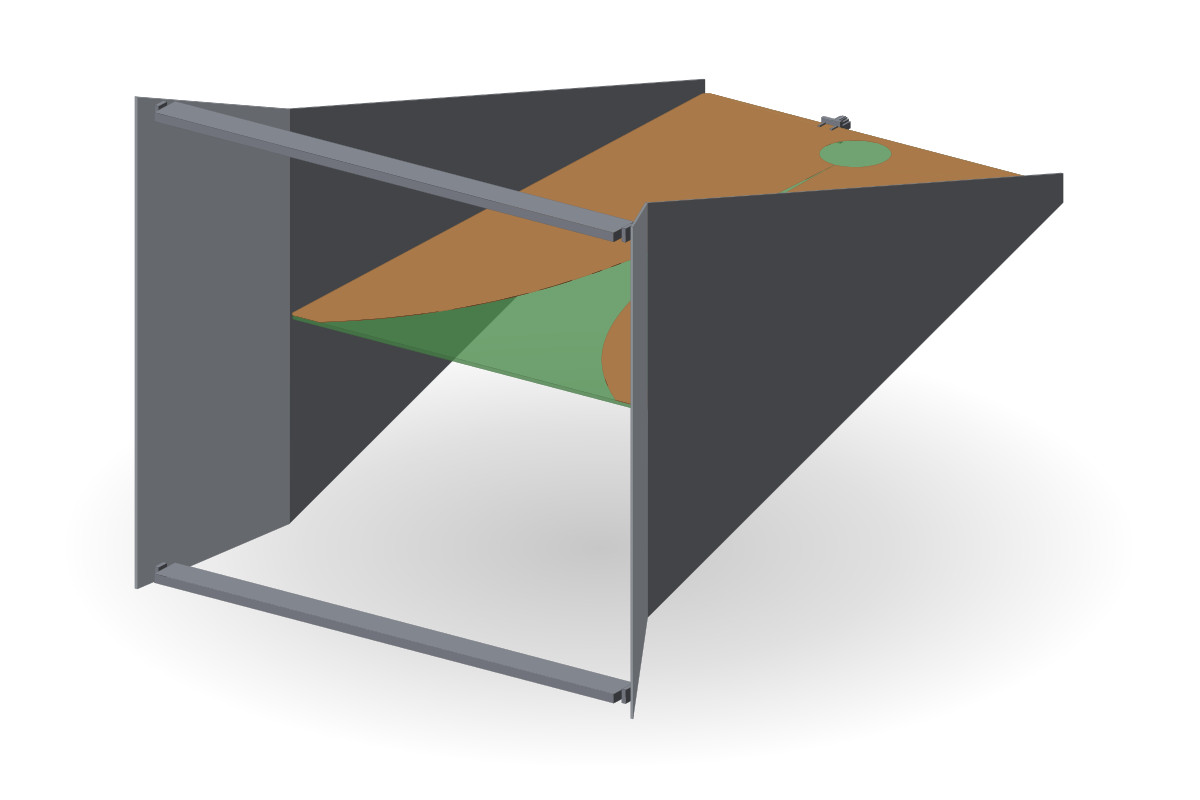
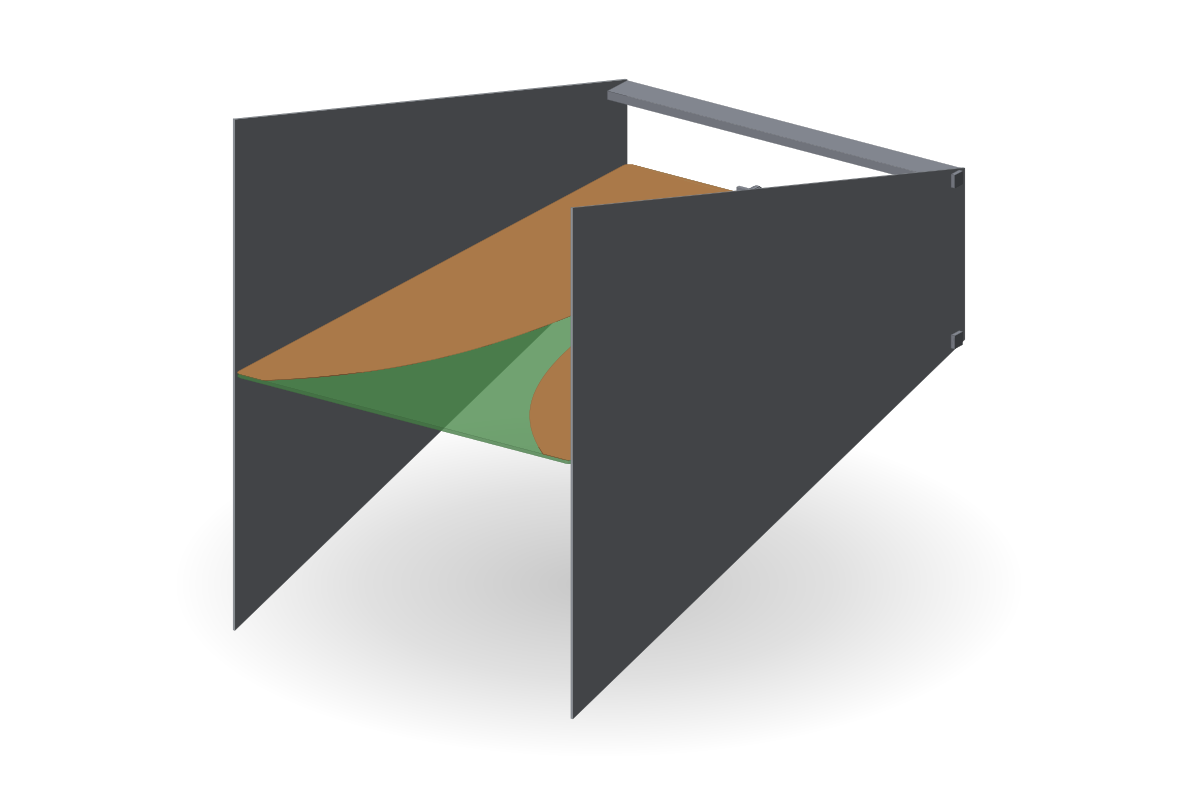
Vivaldi in a horn: the petals are bonded to the walls with a smooth profile, like the ridges of a double-ridged horn. A narrower beam and a stable pattern over a wide band for measurements, EMC testing and radio monitoring. Also: a double-ridged horn with side walls, a Vivaldi board in a closed pyramidal horn, and a TEM horn of two triangular plates.
What we optimise
| Pos. | Parameter |
|---|---|
| P1 | Taper and aperture, slot, cavity |
| P2 | Connector or coax transition, substrate |
| P3 | Horn: mouth size and length, wall angles, back cavity |
| P4 | Lens: size, shape, material |
What you receive
| Pos. | Deliverable |
|---|---|
| D1 | Board manufacturing and assembly files, a bill of materials |
| D2 | Files for laser cutting, bending or milling of metal parts |
| D3 | A 3D model |
| D4 | An S11 measurement protocol |